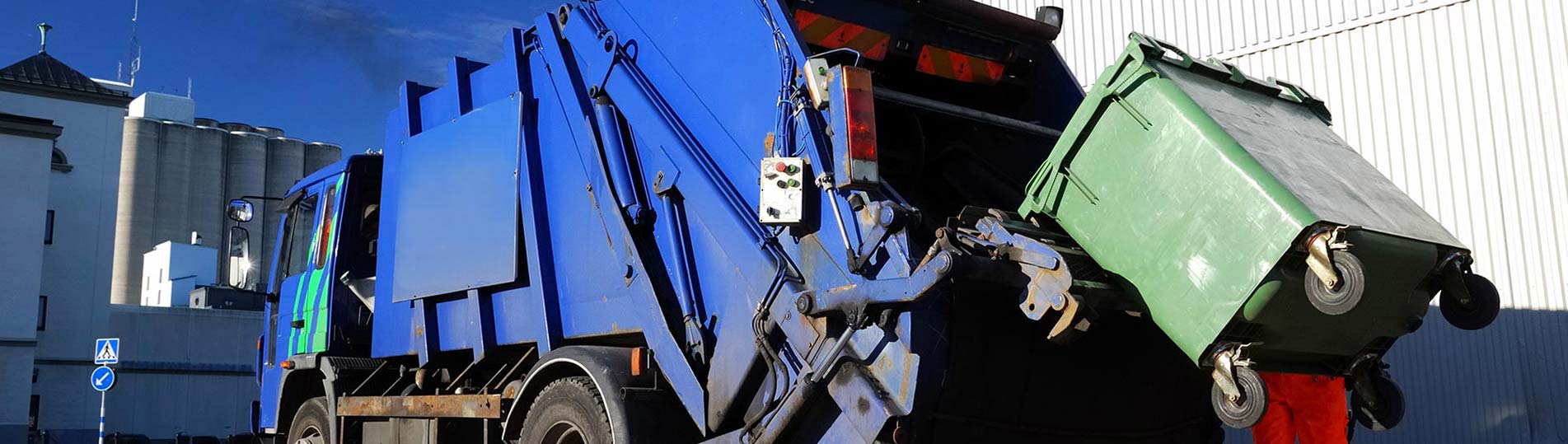
Rubbish clearance for Kingston businesses Richmond Road trade waste
Posted on 23/05/2026
Rubbish clearance for Kingston businesses Richmond Road trade waste: a practical guide for busy local firms
If you run a business on or near Richmond Road, you already know how quickly rubbish can pile up. One skipped collection, a burst of packaging from deliveries, a shop refit, or a back room full of old stock can turn a tidy premises into a headache. Rubbish clearance for Kingston businesses Richmond Road trade waste is really about keeping that under control without slowing down the workday.
For most Kingston businesses, the challenge is not just removing waste. It is finding a service that fits awkward access, limited time windows, mixed waste streams, and the simple reality that nobody wants lorries, bins, and clutter getting in the way of customers or staff. This guide walks through how trade waste clearance works, what to watch out for, and how to choose a sensible, reliable approach for your site. To be fair, it is one of those jobs that looks minor until it suddenly becomes the thing everyone is talking about.
Along the way, we will also point you towards useful service pages such as the full services overview, pricing and quotes, and our recycling and sustainability approach, so you can compare options with a clearer head.
Why Rubbish clearance for Kingston businesses Richmond Road trade waste Matters
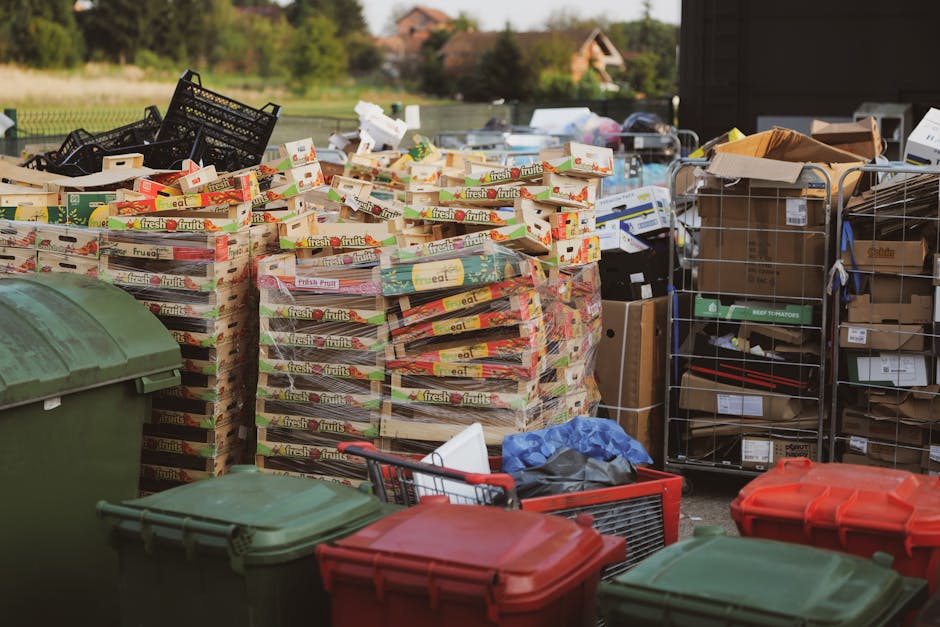
Trade waste is not just "business rubbish". It is the everyday material a commercial premises produces: packaging, cardboard, broken display units, office clutter, old shelving, kitchen waste, builders' offcuts, mixed junk from a refit, and the odd awkward item that has sat in the corner for months. On a road like Richmond Road, where access, parking, footfall, and timing can all matter, this becomes a practical operational issue very quickly.
For Kingston businesses, the stakes are usually straightforward: keep the premises safe, keep it presentable, and keep trading without interruption. A blocked rear yard, overflowing bins, or waste left by a loading bay can create knock-on problems for deliveries, staff movement, and customer perception. Nobody wants a first impression that says "we've had a messy week".
There is also the business side. When waste is handled poorly, time is wasted sorting it, moving it, and worrying about where it should go. When it is handled well, your team can focus on the actual job. That is the real value here. Not glamorous, but very real.
Key point: good trade waste clearance is not about lifting bags away once in a while. It is about keeping a business site manageable, compliant, and ready for the next customer, delivery, or working day.
If you are not sure what your site needs, the most sensible starting point is often a quick look at your rubbish removal needs alongside the broader waste removal service information.
How Rubbish clearance for Kingston businesses Richmond Road trade waste Works
In practical terms, the process is usually simpler than people expect. A business contacts a clearance provider, explains the type and amount of waste, agrees a collection time, and arranges removal. The details matter, though. Trade waste is rarely just "a pile of rubbish". It often includes mixed items, tight access, and time-sensitive collection needs.
A typical commercial clearance on Richmond Road may involve one or more of the following:
- an initial description of the waste and access conditions
- a quote based on volume, labour, item type, and loading difficulty
- collection at a time that works around trading hours
- manual loading from a shopfront, yard, office, basement, or rear access point
- sorting for reuse, recycling, or appropriate disposal
- final removal and tidy-up of the area where the waste was stored
What makes business clearance different from a casual domestic clear-out is the need to work around operations. A cafe might need removal before the morning rush. A retail unit may need it between deliveries. An office could want it done after hours or on a weekend. A good provider understands that the job is not only about waste, but about not getting in the way.
For more complex jobs, such as renovation debris, heavy fittings, or mixed site waste, a specialised service can be more appropriate. The page on builders' waste disposal in Kingston upon Thames is useful if your trade waste includes construction or refurbishment materials.
And yes, the details around access can be a bit fiddly. A single narrow doorway, a shared yard, or a street with awkward loading can change the whole plan. That is normal. Not a problem, just something to plan for.
Key Benefits and Practical Advantages
The best reason to arrange proper business waste clearance is not simply cleanliness, although that matters. It is operational calm. Once the clutter is gone, the space starts working for you again.
- Better use of space: stockrooms, offices, kitchens, and service areas become easier to move through.
- Safer working conditions: fewer trip hazards, fewer blocked exits, and less waste stacked where it should not be.
- Cleaner customer experience: customers notice when a business feels organised, especially on busy local streets.
- Faster turnaround: if you are refitting, relocating, or closing out a project, waste removal keeps things moving.
- Better recycling outcomes: a structured collection makes it easier to separate cardboard, metal, timber, and other recoverable material.
- Less staff distraction: no one enjoys spending a morning dragging old chairs to the back alley.
There is also a subtle but important benefit: confidence. When the waste plan is sorted, your team can concentrate on customers, suppliers, and the day's actual jobs. That calm matters more than people admit.
If your business values environmental responsibility, it is worth reading the site's recycling and sustainability information. It helps frame waste removal as part of a wider responsible operating habit, not just a once-off clean-up.
Who This Is For and When It Makes Sense
This type of clearance is useful for a broad range of Kingston businesses, especially those operating on busy or space-limited premises. Richmond Road sees a mix of commercial activity, and with that comes all the usual waste pressure points.
It makes sense for:
- Retail shops clearing packaging, broken displays, old stock, and fit-out waste
- Offices disposing of furniture, paperwork, IT clutter, and general refurb debris
- Cafes and hospitality venues managing kitchen waste, furniture replacement, and end-of-season clear-outs
- Landlords and property managers preparing commercial units between tenancies
- Trades and contractors dealing with mixed site waste after work finishes
- Small independent businesses that do not produce enough waste for a large bin contract, but still need regular clearances
It also makes sense when a business is under a time squeeze. Maybe you are moving units, handing back a lease, or getting ready for a busy trading period. In those moments, waste is not an afterthought; it is one of the things that either slows everything down or quietly disappears in the background.
For office-related jobs, the dedicated office clearance service is worth looking at. For mixed residential-commercial situations, especially if a business premises includes living space or storage above, the house clearance page can also be relevant in a practical sense.
Truth be told, many business owners wait too long. They work around the mess until it becomes impossible to ignore. Sound familiar?
Step-by-Step Guidance
If you are organising a collection for the first time, keep the process simple and methodical. A little structure makes the whole thing cheaper, faster, and less stressful.
- Identify what needs removing. Separate general rubbish, recyclable material, bulky items, and anything potentially hazardous or specialist.
- Measure the scale. Estimate how much waste there is. One room, one yard, one floor, or a whole unit? That changes the plan.
- Check access. Note stairs, narrow corridors, parking restrictions, loading points, or gated entry.
- Choose the right timing. Aim for collection outside peak trading hours if the site is busy.
- Ask for a clear quote. Make sure the service is quoted on the real job, not a vague guess.
- Prepare the waste area. Group items together where possible so the crew can load efficiently.
- Confirm any special items. Highlight heavy, awkward, or potentially restricted items before collection day.
- Check the finish. Once removed, walk the area and make sure nothing small or hidden has been left behind.
A quick example: a small independent retailer might start with a storeroom full of flattened boxes, old shelving, and a few damaged units after a mini refit. If the team piles everything near the rear entrance and gives accurate access details, the removal can be handled in one smooth visit. If not, the job usually takes longer than it needs to. Funny how that works.
If you want to understand how service requests are usually matched to different waste types, the page on service options and coverage gives a helpful broader picture.
Expert Tips for Better Results
There are a few small decisions that make a big difference. Nothing dramatic. Just the sort of things experienced teams tend to notice straight away.
- Sort first, if you can. Cardboard, clean timber, metal, and mixed rubbish are easier to handle when separated.
- Keep aisles clear. If the crew can move safely and directly, the job usually goes faster.
- Be specific about timing. "Any time today" is rarely as useful as "before 9:00" or "after lunch".
- Share the awkward bits early. Basement steps, no parking zones, or locked courtyards should not be a surprise on the day.
- Think about recycling from the start. It is easier to separate as you go than to sort everything at the end.
- Use a provider that is comfortable with commercial work. Business sites often need a slightly different approach from domestic clearances.
One practical tip that people sometimes overlook: take photos before the collection. Not for drama, just for clarity. A couple of quick images can help explain access and volume far better than a rushed phone call while you are also trying to answer the shop bell. Small thing, but useful.
If safety is part of your decision-making, the insurance and safety information page is worth a look before you book.

Common Mistakes to Avoid
Most clearance problems come from simple oversights rather than major errors. The good news is that they are easy to avoid once you know what to watch for.
- Leaving booking too late: Waste accumulates, and then you are paying for urgency as well as removal.
- Underestimating volume: A few black bags can grow into several loads very quickly.
- Not checking access: A van may be fine, but the loading route is what really matters.
- Mixing problem items with general rubbish: Some items need special handling or prior discussion.
- Choosing on price alone: The cheapest quote is not always the best value if it ignores labour, sorting, or tidy-up.
- Forgetting the end use of the space: If you need the area trading-ready at the end, say so.
Another common issue is assuming every waste type can be handled in the same way. That is not always true. Office furniture, packaging, builders' rubble, and mixed general waste can all be part of a business clear-out, but they are not always treated the same. The right provider should explain this plainly rather than muddling through and hoping for the best.
Tools, Resources and Recommendations
You do not need a pile of fancy equipment to organise trade waste clearance well. What you do need is a basic system and a little preparation.
Helpful tools and simple resources:
- a short inventory list of items to be removed
- photos of the waste area and any access points
- basic labels or tape for separating materials
- a rough room-by-room or area-by-area waste plan
- contact details for the person on site who can make quick decisions
For businesses that are still figuring out what level of support they need, a good starting point is often a general waste collection service combined with a more specific sub-service where necessary. The related pages on rubbish clearance in Kingston and your rubbish removal needs are useful for comparing what kind of help fits your premises best.
If your waste is seasonal or linked to exterior work, the dedicated page for garden waste removal in Kingston upon Thames may also be helpful, especially for hospitality venues, care settings, or businesses with outdoor spaces that generate regular green waste.
And if you are still in planning mode, browsing about us can help you understand the wider service approach before you decide. That sort of context matters more than people think.
Law, Compliance, Standards, or Best Practice
This is the section people often skim, then regret skimming. Commercial waste handling in the UK brings responsibilities, and while the exact duty details can vary depending on the waste type and business setup, the general principle is easy enough: businesses should know what waste they are producing, keep it appropriately contained, and use a service that handles it responsibly.
In plain English, best practice usually means:
- separating recyclable and non-recyclable material where practical
- avoiding unsafe storage that blocks exits or creates hazards
- making sure waste is collected by a suitable provider for the job
- keeping an eye on any items that may need special handling
- being careful with documentation, invoices, and service terms
For higher-risk or more complex waste streams, it is sensible to ask questions rather than assume everything can be taken in the same load. That is especially true for site clearance, office strip-outs, or business refurbishments where waste types can be mixed. A careful provider should be able to explain the process in simple terms, without making it sound like a legal exam.
Best practice also includes honesty about volume. If you think you have "roughly two van loads", say so, but also mention the bits you are not sure about. A slightly awkward conversation at the start is better than a delayed collection later. Every time.
Options, Methods, or Comparison Table
Different Kingston businesses need different waste solutions. Sometimes a one-off clearance is enough. Sometimes a recurring collection makes more sense. Sometimes a specialist service is the cleaner fit. Here is a simple comparison to help think it through.
| Option | Best for | Strengths | Things to watch |
|---|---|---|---|
| One-off trade waste clearance | Refits, clear-outs, end-of-lease jobs, seasonal resets | Fast, flexible, ideal for bulky or mixed items | Needs clear access and accurate volume details |
| Recurring business waste collection | Regularly producing waste in a steady pattern | Predictable, tidy, easier for ongoing operations | May be less suitable for sudden bulky clearances |
| Specialist builders' waste disposal | Refurbishments, strip-outs, construction debris | Better suited to heavy or messy site waste | Waste type must be described clearly in advance |
| Office clearance | Furniture, filing, IT, and workspace declutter projects | Good for business relocations and refurbishments | Data-sensitive items may need extra planning |
There is no universal "best" option. The right choice depends on how much waste you generate, how quickly you need it gone, and how much disruption you can tolerate during trading hours. That simple, really.
Case Study or Real-World Example
Here is a realistic local example. A small Kingston retail business on Richmond Road finishes a display refresh ahead of a weekend promotion. Out go a few old shelving units, damaged signage, redundant packaging, and several bags of general rubbish from the stockroom. The owners initially think they can handle it with a few trips to the back alley and one borrowed van. In practice, that would have eaten half a day and probably annoyed the staff.
Instead, they group the items by type, clear a route through the shop, and book a collection for late afternoon after the quieter trading window. The waste team arrives, loads efficiently, separates recyclable materials where possible, and leaves the area ready for the next day's opening. No drama. No random pile left by the door. Just a cleaner space and fewer distractions.
The important part of the example is not the size of the job. It is the planning. A modest clear-out becomes a smooth operational task when the details are handled properly.
That is why Kingston businesses often do better when they treat rubbish clearance as part of business management, not just a quick tidy-up after things get messy.
Practical Checklist
Use this before booking a collection. It saves time, and honestly, it saves a lot of back-and-forth.
- Identify exactly what needs removing
- Separate bulky, recyclable, and mixed waste where possible
- Take a few photos of the waste area and access points
- Check whether there are stairs, narrow corridors, or parking issues
- Confirm your preferred collection time window
- Flag any heavy, awkward, or specialist items
- Decide whether you want a one-off clearance or ongoing support
- Ask how the waste will be handled, sorted, or recycled
- Make sure the site contact knows when the crew is due
- Walk the area after removal so nothing has been missed
Practical takeaway: the smoothest business clearances are the ones where the waste is grouped, the access is clear, and the timing has been thought through before the van arrives.
Conclusion
Rubbish clearance for Kingston businesses on Richmond Road is about more than getting rid of unwanted material. It is about keeping your site safe, presentable, and ready for business. When the process is handled properly, the benefits show up everywhere: better use of space, less stress for staff, cleaner customer-facing areas, and fewer last-minute scrambles.
Whether you need a one-off trade waste clearance, an office clear-out, or support for a building project, the smartest move is to plan early, describe the waste accurately, and choose a service that understands commercial realities. That mix of clarity and practicality makes all the difference.
Get a free quote today and see how much you can save.
If you are ready to take the next step, start with the service pages that match your situation and build from there. A tidy premises has a way of lifting the whole day. It really does.


From a young age, Blair has cultivated a passion for order, which has now matured into a prosperous profession as a waste removal specialist. She derives satisfaction from transforming disorderly spaces into practical ones, aiding clients in conquering the burden of clutter.
 Tipper Van - Rubbish Clearance and Attic Clearance Prices in Kingston upon Thames, KT1
 Luton Van - Rubbish Clearance and Attic Clearance Prices in Kingston upon Thames, KT1