Hampton Court Palace event rubbish removal logistics
Posted on 18/06/2026
Hampton Court Palace Event Rubbish Removal Logistics: A Practical Guide for Smooth, Professional Clear-Ups
When an event finishes at Hampton Court Palace, the last thing anyone wants is a mountain of black sacks, broken packaging, catering waste, loose signage, and half-used event materials sitting around while guests drift away and staff are still trying to breathe. Hampton Court Palace event rubbish removal logistics is the unglamorous part of event delivery, but it is also one of the things that quietly decides whether the day ends well or turns into a headache. Get it right, and the whole site feels calm, safe, and under control. Get it wrong, and even a beautiful event can end with delays, complaints, and avoidable costs.
This guide breaks down how rubbish removal logistics typically work around a major heritage venue, what to plan for, and how to keep waste moving without disrupting operations. If you are coordinating an event, managing suppliers, or simply trying to avoid a messy handover, you will find practical steps here rather than vague advice. Truth be told, the waste plan is usually only noticed when it fails. Better to be ahead of it.
Why Hampton Court Palace event rubbish removal logistics Matters
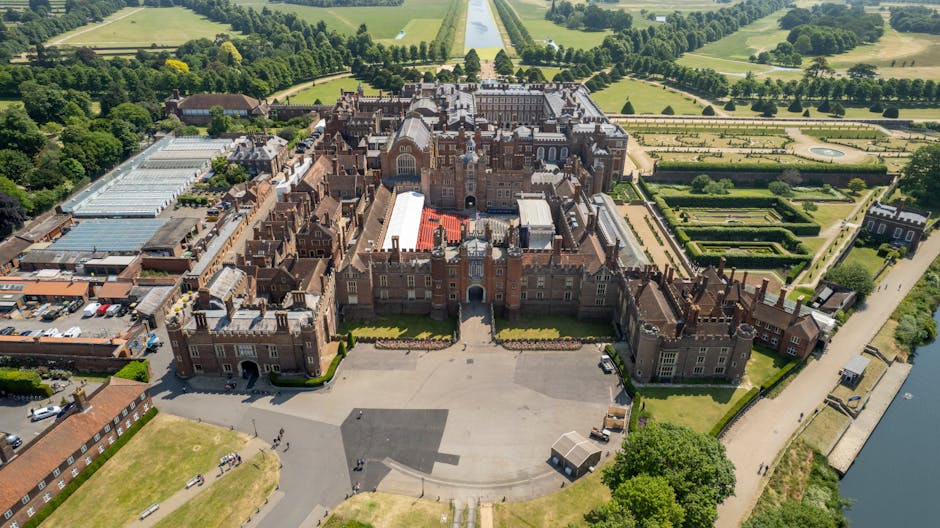
Hampton Court Palace is not the sort of place where waste can be treated as an afterthought. It is a high-profile venue with historic character, controlled access, and a need for careful coordination. That changes everything. A pile of catering waste that would be manageable at a standard hall can become a problem when vehicle access is restricted, public routes are busy, and the venue team needs the site back to normal quickly.
The practical issue is simple: event waste builds up faster than people expect. You have packaging from deliveries, table dressing offcuts, disposable serveware, bar waste, floristry, promotional materials, cable ties, broken display items, and the odd thing nobody can quite explain by the end of the night. If there is food service, the smell can turn quickly. If there is wet weather, everything gets heavier. If the event finishes late, the clean-down window can feel very tight. Not dramatic. Just real.
Good rubbish removal logistics protect three things at once: the venue, the event team, and the guest experience. They also help avoid those awkward moments where one crew assumes another crew is handling the waste. That happens more than people like to admit. One person points to the bins, someone else says they were told the contractor would remove everything, and suddenly it is 11:30 p.m. and nobody wants to own the mess. Been there, seen that.
For organisers based in and around Kingston, event waste planning often overlaps with wider operational needs too. If your team handles venue clean-outs, seasonal setups, or corporate hosting across the borough, it can help to understand the broader service landscape through pages like the services overview and recycling and sustainability guidance. Those are useful when you want the clean-up to be efficient and sensible, not just fast.
How Hampton Court Palace event rubbish removal logistics Works
At a venue like Hampton Court Palace, rubbish removal logistics normally starts long before the event begins. The best plans are designed during the production stage, not improvised after the champagne glasses are cleared. In practical terms, the process usually involves four layers: waste forecasting, on-site segregation, timed collection, and final disposal or recycling.
1. Forecast the waste streams. Before the event, estimate what kind of rubbish will be generated. A formal dinner creates different waste from a wedding reception, exhibition, or outdoor corporate launch. Catering waste, cardboard, mixed recyclables, floristry, stage dressing, and general waste should be planned separately where possible.
2. Place the right containers in the right places. The venue layout matters. Back-of-house corridors, loading areas, kitchens, steward points, and bar zones all need different bin capacity. If bins are too far away, rubbish migrates to where staff are standing. That is just human nature.
3. Time the movements. Waste removal is usually most efficient when collections are aligned with delivery windows, build-and-break schedules, and guest departure times. If a collection arrives too early, it may interfere with service. Too late, and waste sits around overnight. Neither is ideal.
4. Separate disposal from clear-down. Some waste can be bagged and removed in stages, while bulky items may need a dedicated van load after the event finishes. This is where a proper plan saves time. A team trained in event clearances knows how to work around tight access, fragile surroundings, and the general chaos of pack-down.
In larger jobs, it often helps to split responsibilities between the event team, venue staff, and the waste contractor. That way the final lift-out is not slowed by confusion. If you need background on how a professional clearance service normally operates, the page on rubbish clearance in Kingston upon Thames gives a useful sense of service scope.
Key Benefits and Practical Advantages
There is a very obvious benefit to good waste logistics: the venue ends clean. But the real value goes further than that. A tidy and well-planned rubbish flow supports safety, speed, presentation, and staff morale. And yes, morale matters. Anyone who has had to carry soggy bin bags through a service corridor at the end of a long day knows exactly what I mean.
- Cleaner handover: The venue is returned in a condition that is easier to inspect and sign off.
- Less disruption: Collections can be staged around the event rather than interrupting it.
- Better hygiene: Food and drink waste is removed promptly, reducing odour and mess.
- Safer movement: Clear routes reduce slip, trip, and obstruction risks for staff and guests.
- Improved recycling: Segregation can increase the amount of material that goes into the right waste stream.
- Lower stress: People do better work when they are not improvising bin solutions on the fly.
There is also a reputational angle. Heritage venues carry a different standard. Guests notice if service spaces are cluttered. Suppliers notice too, and venue teams certainly do. If you are trying to put on a polished event, waste control is one of those behind-the-scenes details that quietly elevates everything else.
For organisers who also manage office builds, set changes, or temporary event offices, it can be useful to compare event waste planning with office clearance support and builders waste disposal. The waste types differ, but the logistical thinking is similar: plan access, schedule collection, and keep routes clear.
Who This Is For and When It Makes Sense
This kind of logistics matters to more people than you might think. It is not just for large production companies with clipboards and radios. In practice, Hampton Court Palace event rubbish removal logistics is relevant for:
- event planners handling weddings, receptions, launches, or gala dinners
- venue managers coordinating suppliers and post-event sign-off
- caterers dealing with food packaging, prep waste, and service-area rubbish
- production teams managing set dressing, staging, and temporary structures
- corporate hosts bringing in branded materials, displays, or hospitality equipment
- clean-down crews who need a realistic disposal plan rather than a guess
It makes sense any time the waste volume goes beyond what a normal set of bins can handle. That might be because the event is busy, the location is sensitive, or the waste mix is awkward. Glass, cardboard, plastics, food waste, and bulky decorative items all behave differently, and they do not all move well in a single sack. A lot of people learn that the hard way, usually at the end of a long evening when nobody wants to see another box of broken centrepieces.
For local context and the practical side of working in the area, you may also find local perspectives on living in Kingston and party venue ideas in Kingston helpful when you are comparing event settings and planning needs.
Step-by-Step Guidance
Here is a practical way to handle the job without turning it into a scramble.
- Start with the event format. List the type of event, guest count, service style, and expected suppliers. A seated dinner usually produces different waste from a casual standing reception.
- Map the likely waste points. Mark where rubbish will build up: kitchen, bars, reception areas, cloakroom, production zones, and loading spaces.
- Decide what must be separated. Keep food waste, cardboard, recyclables, and general waste apart where practical. The cleaner the segregation, the easier the disposal.
- Check access early. Can a vehicle get close enough? Is there a loading window? Are there any narrow routes, steps, or heritage restrictions?
- Assign clear ownership. Someone should be responsible for bin changes, bag closures, and final collection points. Do not leave this as a "someone will sort it" situation.
- Schedule the removal window. Build in time after guest departure for a proper clear-down. If you undercook this, the clean-up gets rushed.
- Walk the site after pack-down. Check hidden spots: under tables, behind staging, near exits, in storage corners, and around temporary bars.
- Confirm final disposal. Make sure waste is taken to an appropriate destination and that the site is left safe and tidy.
A small but useful trick: take photos of waste stations before doors open and after pack-down. Not for drama, just for clarity. It helps everyone see what was in place and what was left behind.
Expert Tips for Better Results
If you want the clean-up to feel effortless, a few small habits make a big difference. None of them are complicated. That is the point.
- Use fewer waste points, but place them well. Too many half-empty bins create confusion. Better to have clearly marked, well-placed stations.
- Label bags by waste type. It saves a surprising amount of time when the night gets busy.
- Keep one person in charge of waste flow. Even at smaller events, a single point of contact reduces mix-ups.
- Plan for wet waste separately. Food scraps and liquid-heavy waste are heavier and messier than they look.
- Build in a contingency slot. A delayed table service or late guest departure can push the whole clear-down back. It happens.
- Choose the right removal partner. A team familiar with event clearances will usually work more calmly around a venue with access limits and presentation standards.
To be fair, the best waste plans are often a little boring on paper. That is actually a compliment. If your plan feels too exciting, it probably means you are improvising.
If you are comparing service levels, the information on your rubbish removal needs can help you think through what sort of support matches the event rather than just the waste volume.

Common Mistakes to Avoid
Most event waste problems are not caused by bad intentions. They come from small planning misses that snowball. The good news is that they are avoidable.
- Assuming the venue will handle everything. Sometimes they will, sometimes they will not, and sometimes the answer is "partly." Get it in writing.
- Leaving waste planning until pack-down. By then it is already harder, slower, and more expensive to manage.
- Mixing everything together. That makes recycling harder and can create extra handling time.
- Forgetting bulky items. Event furniture, floral frames, signage, and display panels are often the bits people overlook.
- Ignoring access constraints. A van cannot magically appear inside a courtyard if the route is blocked or the booking window is wrong.
- Underestimating food waste. Catering waste expands fast once service begins, especially in warm weather.
- Not briefing suppliers. If one contractor leaves packaging in the wrong place, everyone else pays for the delay.
Another common slip? Thinking that a couple of extra sacks will not matter. They usually do matter. Not because of the sacks themselves, but because of how they add friction when the team is tired and the venue is counting the minutes.
Tools, Resources and Recommendations
You do not need fancy equipment to manage event waste well. You need the right basics, set up in the right way. In many cases, a few practical tools are enough to prevent most problems.
| Tool or resource | What it helps with | Best used for |
|---|---|---|
| Colour-coded bins or labels | Separating waste streams quickly | Catering areas, bars, and back-of-house zones |
| Bin liners and spare sacks | Fast replacement during peak waste periods | High-footfall events and late-night service |
| Site map or floor plan | Planning waste station placement and collection routes | Any venue with restricted access |
| Supplier brief | Setting waste responsibilities clearly | Multi-contractor events |
| Photo checklist | Tracking setup and end-of-event conditions | Venue handovers and internal reporting |
For broader waste support beyond one event, the pages on waste removal in Kingston upon Thames and pricing and quotes can help you think through ongoing requirements and budget planning in a straightforward way.
If your event is tied to a venue refresh, temporary office space, or post-build setup, it may also be worth reviewing house clearance support and sustainability-focused disposal for ideas on handling mixed items responsibly.
Law, Compliance, Standards, or Best Practice
For event rubbish removal in the UK, the big thing is that waste must be handled by competent people and taken to an appropriate facility. In practice, that means using a reputable carrier, keeping waste separated where sensible, and making sure hazardous or restricted items are dealt with correctly. The exact requirements can vary depending on the waste type and the event setup, so it is always wise to check the details before the day.
Best practice usually includes:
- clear responsibility for waste ownership from setup through to final clear-down
- safe manual handling, especially with awkward or heavy bags
- careful storage so waste does not block routes or create slip hazards
- separation of recyclable materials where practical
- proper handling of anything that may be sharp, contaminated, or potentially hazardous
For a heritage venue, presentation and preservation matter as much as disposal. That means avoiding damage to floors, corridors, and load-in areas, and being especially careful with wet waste, liquids, and bulky debris. If there is ever uncertainty about what can be moved, how it should be bagged, or whether a certain item needs special handling, err on the side of caution. It is rarely worth guessing.
For general trust and operational reassurance, it can also help to understand a provider's approach to insurance and safety and to check their business standards through about us. Those pages are useful if you want a clearer picture of how a team works, not just what it says it does.
Options, Methods, or Comparison Table
There is more than one way to handle event waste. The right option depends on the scale of the event, the type of rubbish, and how tightly the site is controlled.
| Method | Best for | Pros | Watch-outs |
|---|---|---|---|
| In-house staff clear-down | Small events with limited waste | Simple, flexible, low coordination | Can be slow after busy events; depends on staff availability |
| Venue-managed waste collection | Events with established venue procedures | Good fit with site rules and existing workflows | May not cover bulky or unusual waste |
| Dedicated event clearance contractor | Larger events, tight deadlines, bulky waste | Faster, more structured, easier for mixed waste | Needs clear brief and access planning |
| Phased collection plan | Multi-day events or high-volume programmes | Prevents build-up and reduces pressure at the end | Requires coordination across several teams |
In most cases, a dedicated contractor or phased collection plan works best for a venue like Hampton Court Palace, simply because the site demands structure. If the event is compact and the waste is light, in-house handling can be enough. But once the site starts filling up with mixed materials, a more organised approach usually pays off.
Case Study or Real-World Example
Here is a realistic example based on the sort of setup people often face, though details vary from event to event. A corporate evening reception is being hosted at Hampton Court Palace. The organiser has catering, temporary branding, bar service, floral installations, and a small stage for speeches. Nothing extreme. But by 9 p.m., waste has already started to spread into several areas.
The team had already mapped waste points during planning, which made a huge difference. Cardboard from deliveries went straight to one collection zone. Food and drink waste stayed near the service area. Broken-down display items were stacked separately for final removal. The contractor arrived after guest departure, not during service, and the pack-down was completed in a controlled sequence rather than all at once. That matters more than people think.
What went well? The venue stayed presentable, staff knew where each item belonged, and the final clearance took far less time than if everyone had guessed their way through it. What could have gone badly? A couple of oversized floral frames nearly ended up in the wrong pile. That was caught because one person was assigned to watch the waste flow. A small detail, but it saved a headache.
The takeaway is simple: strong logistics do not need to be flashy. They need to be consistent. And slightly unglamorous, if we are honest. But they protect the event from a messy ending.
Practical Checklist
Use this as a working checklist before and after the event.
- Confirm who is responsible for waste at each stage of the event
- List the expected waste streams and likely volumes
- Check venue access, loading windows, and any restrictions
- Place bins and sacks where staff will actually use them
- Brief caterers, florists, production teams, and security on waste rules
- Keep recyclable and general waste separate where practical
- Prepare spare liners, gloves, labels, and tie-offs
- Schedule collection after service, not in the middle of it
- Walk the site for hidden waste before final sign-off
- Check that nothing sharp, wet, or awkward has been left unsecured
- Leave the venue routes clean and unobstructed
- Confirm the final disposal route and handover expectations
That last one is easy to overlook when everyone is tired. But it is often the bit that separates a decent clean-up from a genuinely smooth one.
Conclusion
Hampton Court Palace event rubbish removal logistics is about more than just collecting bags at the end of the night. It is a planning discipline. It keeps the venue safe, supports good presentation, reduces stress, and helps teams avoid rushed decisions when the event is already winding down. The best approach is usually the simplest one: forecast the waste, separate it properly, time the removals well, and give one person clear ownership of the process.
If you are organising an event at a venue with heritage constraints, tight access, or high presentation standards, treating waste as part of the production plan rather than a clean-up chore will save time and trouble. That is the real win. Not perfect. Just calmer, cleaner, and far less frantic.
Get a free quote today and see how much you can save.
And if you are planning your next event with a bit more thought than the last one, that already puts you ahead. Small details, handled well, tend to make the biggest difference.

From a young age, Blair has cultivated a passion for order, which has now matured into a prosperous profession as a waste removal specialist. She derives satisfaction from transforming disorderly spaces into practical ones, aiding clients in conquering the burden of clutter.
 Tipper Van - Rubbish Clearance and Attic Clearance Prices in Kingston upon Thames, KT1
 Luton Van - Rubbish Clearance and Attic Clearance Prices in Kingston upon Thames, KT1